Best Hiking Boots for Beginners in 2026: Simple Choices That Work
Author:Mike Fakunle
|
Released:October 13, 2025
The best hiking boots for beginners in 2026 give comfort, safety, and steady steps on new trails. Many first-time hikers feel unsure about which pair to pick, so this guide explains every part in clear and simple terms.
Hiking has become more popular, and new hikers want boots that make walks feel safe and smooth. This guide shows how beginners can choose the right pair, understand key features, and start hiking with confidence.
What Beginners Really Need From Hiking Boots in 2026
Core Features First-Time Hikers Should Prioritize
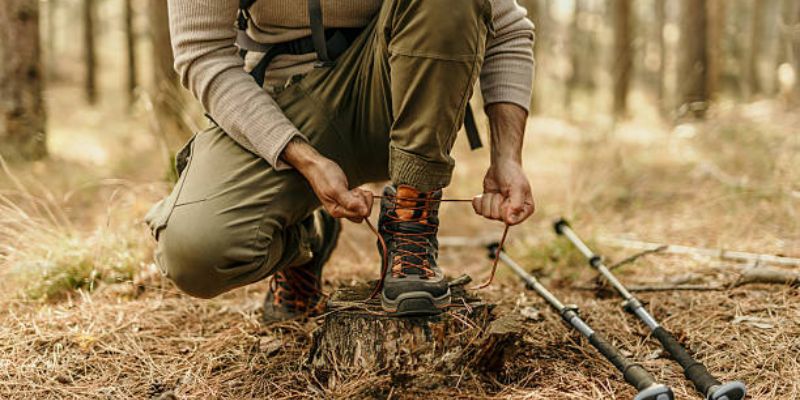
Beginner hiking boots should feel soft, stable, and strong enough for uneven paths. Good padding helps reduce pressure on the feet, and a roomy toe area helps with steep climbs and drops. Grip is important for keeping balance on wet dirt or loose stones. These parts help new hikers stay steady on simple trails.
Common Beginner Problems Good Boots Help Prevent
A strong boot lowers the chance of twisting an ankle. Soft layers reduce blisters and sore spots. Firm traction helps limit slipping. A proper fit also stops the toes from hitting the front of the boot, which is a common issue on downhill steps. These benefits make early hikes easier to enjoy.
How to Choose the Right Hiking Boots for Beginners
Know the Difference Between Boot Types
Trail shoes feel light and close to running shoes. They work for flat and smooth paths. Mid-cut boots offer more ankle support and suit mixed terrain. High-cut boots give strong protection that helps beginners who want more stability. Picking the right type depends on how challenging the trail will be.
Materials That Affect Comfort and Durability
Leather lasts long and handles rough paths well. Synthetic materials feel lighter and dry faster. Waterproof layers help keep feet dry in rain but may feel warm on sunny days. Midsole padding shapes how soft and steady the steps feel. These choices matter for comfort and support.
Fit and Sizing Rules Every Beginner Should Follow
A good boot should hold the heel in place without rubbing. The toes should have space for downward steps. The boot should feel stable but not tight. Testing the boots with hiking socks gives a more accurate feel and helps beginners choose the right size for long walks.
Best Hiking Boots for Beginners in 2026
Best Overall Boot for Beginners
The best hiking boots for new hikers focus on comfort and steady steps. They offer soft cushioning, flexible ankle design, and strong grip. These boots work well on weekend trails, small hills, and long walks. They suit beginners who want one safe and simple choice.
Best Budget-Friendly Hiking Boot
Some boots offer strong performance at a lower price. They use simple waterproof layers and tough material that lasts through early hikes. These boots help beginners test more trails before upgrading. They work best for short or casual trips.
Best Waterproof Hiking Boot
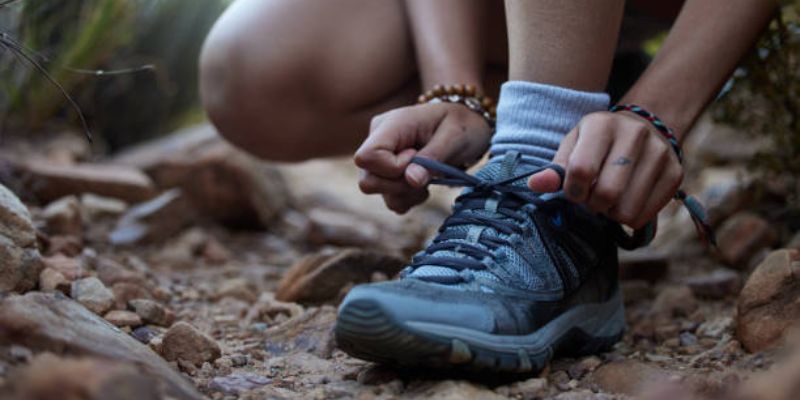
Waterproof hiking boots protect the feet in rain, wet grass, and puddles. They use sealed seams that block water while holding shape. They suit hikers in areas with frequent rain. Beginners should note that they may feel warm during long walks in hot weather.
Best Lightweight Beginner Boot
Lightweight hiking boots help the foot move easily. They work well for dry trails, warm days, and fast walks. Less weight lowers fatigue and helps beginners enjoy longer routes. These boots give a simple start for people who want less bulk.
Best Boot for Wide or Sensitive Feet
Some boots give extra space to help the foot relax. Soft padding lowers pressure on tender areas. These designs reduce blister risk and suit people who struggle with narrow shoes. Beginners with foot discomfort benefit the most from these models.
Key Features Beginners Should Look for in 2026 Boots
Sole and Grip Technology
A strong sole pattern keeps steps steady on mud, rocks, and gravel. Good traction helps reduce slipping on damp areas. The shape and depth of the grip give beginners more control on uneven trails.
Cushioning and Shock Absorption
Soft midsoles reduce impact on the knees and heels. This helps beginners enjoy longer hikes without pain. Cushioning also improves balance when carrying light gear. Some outdoor experts share simple stability tips through broad references tied to walking comfort, which help explain how small changes in design improve the hiking experience.
Stability and Ankle Protection
Extra ankle support gives steady movement on rocky terrain. A firm structure helps new hikers learn safe steps without shifting inside the boot. Stability reduces injury risk and gives beginners more control.
Breathability and Moisture Control
Good airflow reduces sweat and heat. Dry feet mean fewer blisters and less odor. Breathable boots make warm-day hikes more pleasant, especially for beginners learning how far they can walk.
How to Break In New Hiking Boots as a Beginner
Steps to Break In Boots Without Pain
Beginners should start with short indoor walks. Then try simple outdoor steps to soften the materials. Good socks reduce rubbing, and slight lacing changes ease pressure. With slow adjustment, boots get more comfortable and safe for trail use.
Mistakes Beginners Often Make
Going straight to the trail with new boots can cause pain. Ignoring early hotspots leads to blisters. Thin socks make the boot feel harder. Avoiding these mistakes helps new hikers stay comfortable during early trips.
Care and Maintenance Tips That Extend Boot Life
Cleaning After Different Trail Types
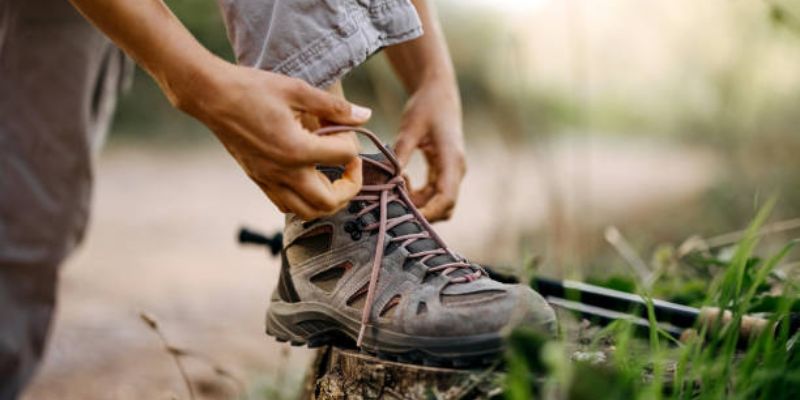
Dust wipes off easily. Mud needs brushing and a small rinse. Wet trails may require removing insoles to let the inside dry. Cleaning after each hike helps the boots keep their shape and grip.
Drying and Storage Rules
Let boots dry naturally. Heat can damage the glue and layers. A cool place keeps the materials firm and ready for the next walk. Proper storage extends the life of beginner hiking boots.
When to Replace Hiking Boots
Loss of grip is the first sign. Worn padding makes steps harder. Cracks or broken seams show the boot is no longer safe. Beginners should check these signs often, especially after long or rough hikes.
Where Beginners Can Safely Buy Hiking Boots in 2026
In-Store Buying Benefits
Trying boots in a store helps beginners test the fit. A few steps show how the padding and grip feel. Staff can guide new hikers to models that suit their needs.
Online Buying Tips
Size charts guide buyers to the right fit. Return rules make testing easy at home. Broad market data shared through neutral outdoor studies tied to gear patterns help explain which boots suit certain paths and foot shapes.
Best Hiking Boots for Beginners
Choosing the best hiking boots comes down to comfort, fit, and steady steps. Beginners should look for good grip, soft padding, and stable ankle support. Simple guides drawn from wide outdoor trends tied to trail habits help match boot features to trail needs. With the right boots, new hikers can pick paths that fit their skill level and walk with more confidence.
Related Posts
Guides and Tips
How To Descend Steep Trails Without Destroying Your Knees
Guides and Tips
What To Pack For A Half-Day Hike Without Overpacking
Outdoor Gear
Ultralight Backpacking Gear You Shouldn’t Skip In 2026
Outdoor Gear
Waterproof Hiking Boots With Latest Tech (2026 Picks)
Guides and Tips
Essential Survival Gear Every Hiker Should Carry To Stay Safe Anywhere

Activities